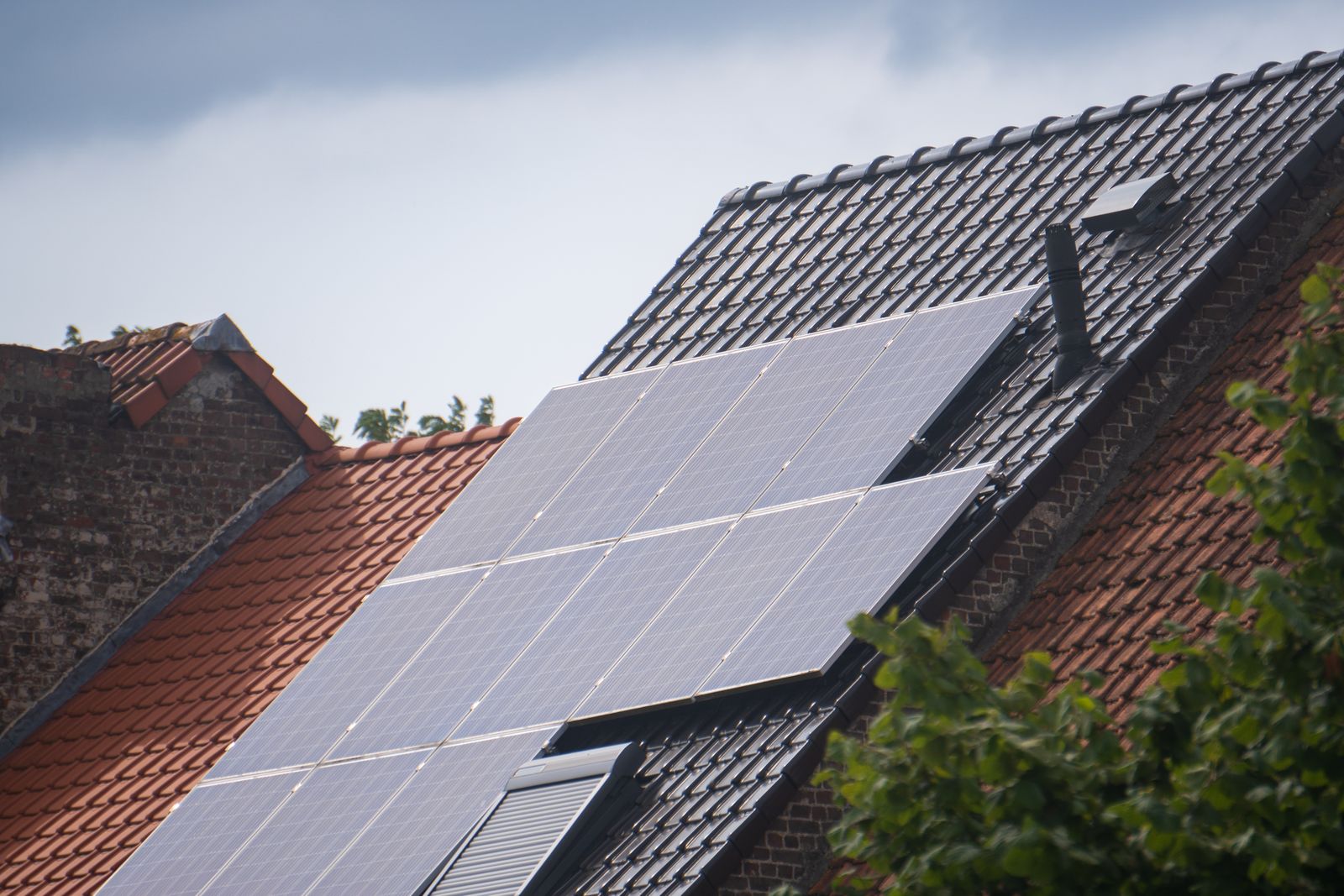
Solar panels in Ayrshire
Ayrshire's mix of coastal towns, post-war housing and rural farms offers good solar potential, though the west coast climate is wetter than the east. This page covers local roof types across Kilmarnock, Ayr, Irvine and Troon, permitted development, the DNO connection, and how to arrange a no-obligation survey and quote.
Ayrshire stretches along Scotland's south-west coast from Largs in the north to Ballantrae in the south, taking in the towns of Kilmarnock, Ayr, Irvine, Troon, Prestwick and Kilwinning. The west-coast climate is wetter and cloudier than the east, but solar still works well — panels generate from daylight, and the long summer days deliver the bulk of annual generation.
Roof types across Ayrshire
- Kilmarnock and East Ayrshire — a mix of Victorian stone terraces, inter-war semis and modern estates at New Farm Loch and Riccarton. Slate and concrete tile roofs, good access.
- Ayr, Prestwick and Troon — coastal Victorian villas and tenements along the seafront, post-war housing inland. Seafront properties have good light but check wind exposure and salt air with your surveyor.
- Irvine and North Ayrshire — new town development at Irvine, with concrete tile estates, plus older stone housing in the town centres. Largs and West Kilbride have a mix of villas and cottages.
- Rural Ayrshire — farms and detached properties across the Ayrshire countryside, often with large, unshaded roofs ideal for bigger arrays.
The west coast climate
Ayrshire gets more rain and cloud than the east coast, but this does not stop solar working — panels generate from daylight, not direct sunshine, and modern monocrystalline panels are good at capturing diffuse light. The slightly cooler climate is an efficiency advantage. The main consideration is that panels in wetter areas can develop biological growth (algae or lichen) on the glass over time; most rain keeps panels clean enough, but occasional cleaning may be worth it for properties near trees.
Permitted development in Ayrshire
For a dwellinghouse in Ayrshire, most solar installations fall under permitted development and do not need a planning application, subject to the standard limits. Exceptions include listed buildings — Ayrshire has many, particularly in Ayr, Troon and the rural areas — and conservation areas, which cover parts of Ayr town centre and several villages. Check with East Ayrshire Council or South Ayrshire Council or North Ayrshire Council depending on your area.
The DNO connection in Ayrshire
Ayrshire's electricity distribution network is operated by SP Energy Networks. For a standard domestic system up to 3.68kW per phase, your installer notifies SP Energy Networks after installation under the connect-and-notify process. Larger systems need prior DNO approval.
Battery storage in Ayrshire
A battery is a good fit for Ayrshire homes, particularly given the west-coast climate's cloudier winter days. Storing surplus summer generation and charging on cheap overnight tariffs in winter helps smooth the seasonal pattern. The coastal villas of Troon and Prestwick often have garages suitable for a battery. See our battery storage guide.
0% VAT and finance
Until 31 March 2027, domestic solar panels and battery storage benefit from 0% VAT, including a standalone battery added to an existing system. Loans available, subject to status.
Arrange an Ayrshire solar survey
If you own a home anywhere in Ayrshire — from Largs to Ballantrae — and want a no-obligation quote, fill in the form below. We arrange a survey through our MCS-certified partner, who checks your roof, takes a shading reading and issues a written quote. No pressure to proceed.
Related guides
Frequently asked questions
Do solar panels work on the Ayrshire coast given the wetter climate?
Who is the DNO for Ayrshire?
Do I need planning permission for solar panels in Ayrshire?
Is there 0% VAT on solar panels in Ayrshire?
Last updated: 17 October 2026