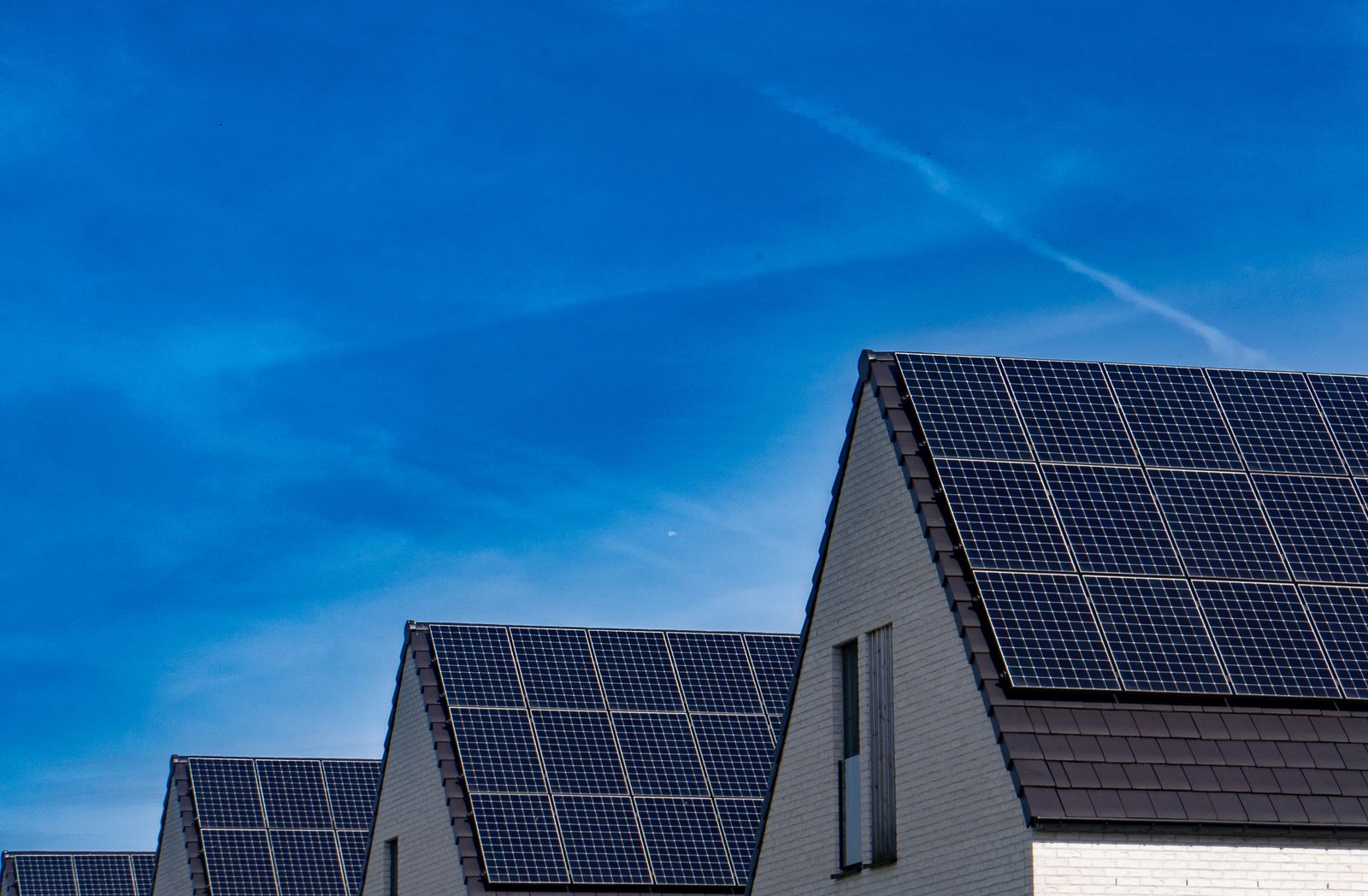
Solar panels in Perth
Perth and the surrounding Perthshire area offer good solar potential, with a mix of riverside flats, stone-built villas and rural properties. This page covers local roof types, shading from the surrounding hills, permitted development, the DNO connection, and how to arrange a no-obligation survey and quote.
Perth, the "Fair City", sits on the River Tay in the heart of Scotland and is a compact, attractive area for domestic solar. The city combines historic stone buildings, Victorian villas and modern estates, while Perthshire stretches into rural Highland Perthshire with farms, steadings and detached properties that often have large, unshaded roofs ideal for solar.
Roof types across Perth
- City centre and historic core — around the High Street, Kinnoull, and the riverside. Stone buildings, slate roofs, some in conservation areas. Check listed building status before proceeding.
- Victorian and Edwardian villas — Bridgend, Kinnoull, Craigie, Muirton. Slate roofs, generous proportions, often with space for a battery in a cellar or utility room.
- Post-war housing — Tulloch, Letham, Hillyland, North Muirton. Concrete tile roofs, good access, straightforward installations.
- Modern developments — Scone, Perth Airport area, Bridge of Earn, Ruthvenfields. New build roofs, easy access.
- Rural Perthshire — Aberfeldy, Dunkeld, Pitlochry, Crieff, Auchterarder. Farms, steading conversions and detached houses with large roofs and minimal shading.
Shading and the Tay Valley
Perth's position in the Tay Valley means most properties have a good horizon, but the hills to the north (Kinnoull Hill) and south (Moncreiffe Hill) can reduce early morning or late evening sun for properties close to their base. In Highland Perthshire, the glens are narrower and hill shading is more significant — a surveyor's reading is important there. Mature trees along the river and in established gardens add seasonal shading.
Permitted development in Perth
For a dwellinghouse in Perth, most solar installations fall under permitted development and do not need a planning application, subject to the standard limits. Exceptions include listed buildings — Perth has several in the city centre and Kinnoull — and conservation areas. Parts of Highland Perthshire fall within the Cairngorms National Park; if you live within the park boundary, additional landscape considerations may apply. Check with Perth and Kinross Council.
The DNO connection in Perth
Perth's electricity distribution network is operated by SP Energy Networks. For a standard domestic system up to 3.68kW per phase, your installer notifies SP Energy Networks after installation under the connect-and-notify process. Some rural Perthshire properties have limited single-phase capacity; a surveyor checks your incoming supply.
Battery storage in Perth
Perth's villas often have cellars, utility rooms or garages suitable for a wall-mounted battery. For rural Perthshire properties, a battery is particularly useful — it bridges the gap between abundant summer generation and the darker winter months, and it can provide resilience in areas with occasional power outages. See our battery storage guide.
0% VAT and finance
Until 31 March 2027, domestic solar panels and battery storage benefit from 0% VAT, including a standalone battery added to an existing system. Loans available, subject to status.
Arrange a Perth solar survey
If you own a home in Perth, Scone, Bridge of Earn, or anywhere in Perthshire and want a no-obligation quote, fill in the form below. We arrange a survey through our MCS-certified partner, who checks your roof, takes a shading reading and issues a written quote with a full specification. No pressure to proceed.
Related guides
Frequently asked questions
Do solar panels work well in Perth?
Who is the DNO for Perth?
Do I need planning permission for solar panels in Perth?
Is there 0% VAT on solar panels in Perth?
Last updated: 17 October 2026