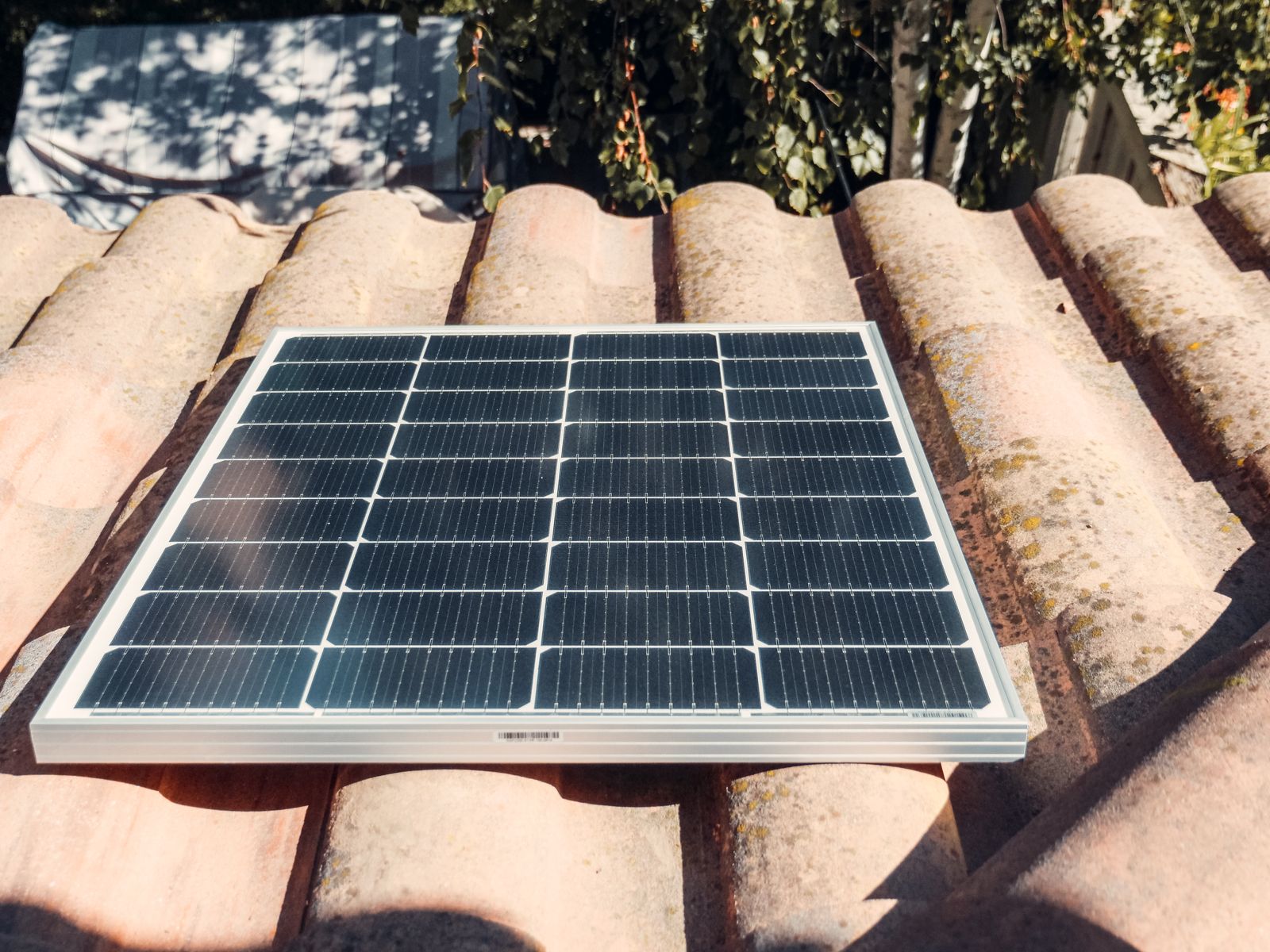
Solar panels in Fife
Fife stretches from the industrial towns of Dunfermline and Kirkcaldy to the historic streets of St Andrews and the fishing villages of the East Neuk, with a varied housing stock well suited to solar. This page covers local roof types, the DNO connection, permitted development, and how to arrange a no-obligation survey and quote.
Fife is a large region with a diverse housing stock — from the post-industrial towns of west Fife to the coastal villages of the East Neuk and the historic university town of St Andrews. Solar works well across Fife, with the east coast benefiting from a relatively dry climate and good light.
Roof types across Fife
- Dunfermline and west Fife — a mix of Victorian sandstone tenements, post-war housing and large modern estates around Duloch Park and Rosyth. Concrete tile and slate roofs, good access on modern estates.
- Kirkcaldy and the east coast — Victorian tenements along the seafront, inter-war semis inland, and modern developments at Templehall and Chapel. Seafront roofs have good light but check wind exposure.
- Cupar and central Fife — stone-built terraces and villas, with surrounding agricultural land. Straightforward roofs with minimal shading in the open countryside.
- St Andrews — historic stone buildings, many listed or in conservation areas, particularly around the university and the old town. Planning checks are essential here.
- East Neuk — Anstruther, Pittenweem, Crail, Elie. Traditional fishing cottages with pantiled and slate roofs, often in conservation areas. Small roof areas may limit system size.
Permitted development in Fife
For a dwellinghouse in Fife, most solar installations fall under permitted development and do not need a planning application, subject to the standard limits. Exceptions include listed buildings — St Andrews and the East Neuk have many — and conservation areas, which cover the historic cores of St Andrews, Culross, Falkland and the East Neuk fishing villages. If you live in a flat, different rules apply. Check with Fife Council for your address.
The DNO connection in Fife
Fife's electricity distribution network is operated by SP Energy Networks. For a standard domestic system up to 3.68kW per phase, your installer notifies SP Energy Networks after installation under the connect-and-notify process. Larger systems need prior DNO approval.
Shading across Fife
In the towns, chimney stacks and neighbouring buildings create the usual urban shading. In rural Fife, the open landscape means most roofs are unshaded — ideal for solar. In St Andrews and the East Neuk, the density of historic buildings and their chimney stacks creates more shading, and listed building constraints may limit where panels can go. A surveyor takes a shading reading as part of the survey.
Battery storage in Fife
For the modern estates around Dunfermline and Rosyth, and the villas of rural Fife, a battery is a practical addition. For the small fishing cottages of the East Neuk, space is tighter and a surveyor will advise on feasibility. See our battery storage guide.
0% VAT and finance
Until 31 March 2027, domestic solar panels and battery storage benefit from 0% VAT, including a standalone battery added to an existing system. Loans available, subject to status.
Arrange a Fife solar survey
If you own a home anywhere in Fife — from Dunfermline to St Andrews and the East Neuk — and want a no-obligation quote, fill in the form below. We arrange a survey through our MCS-certified partner, who checks your roof, takes a shading reading and advises on planning considerations before issuing a written quote. No pressure to proceed.
Related guides
Frequently asked questions
Can I install solar panels on a listed building in St Andrews?
Who is the DNO for Fife?
Do I need planning permission for solar panels in Fife?
Is there 0% VAT on solar panels in Fife?
Last updated: 17 October 2026