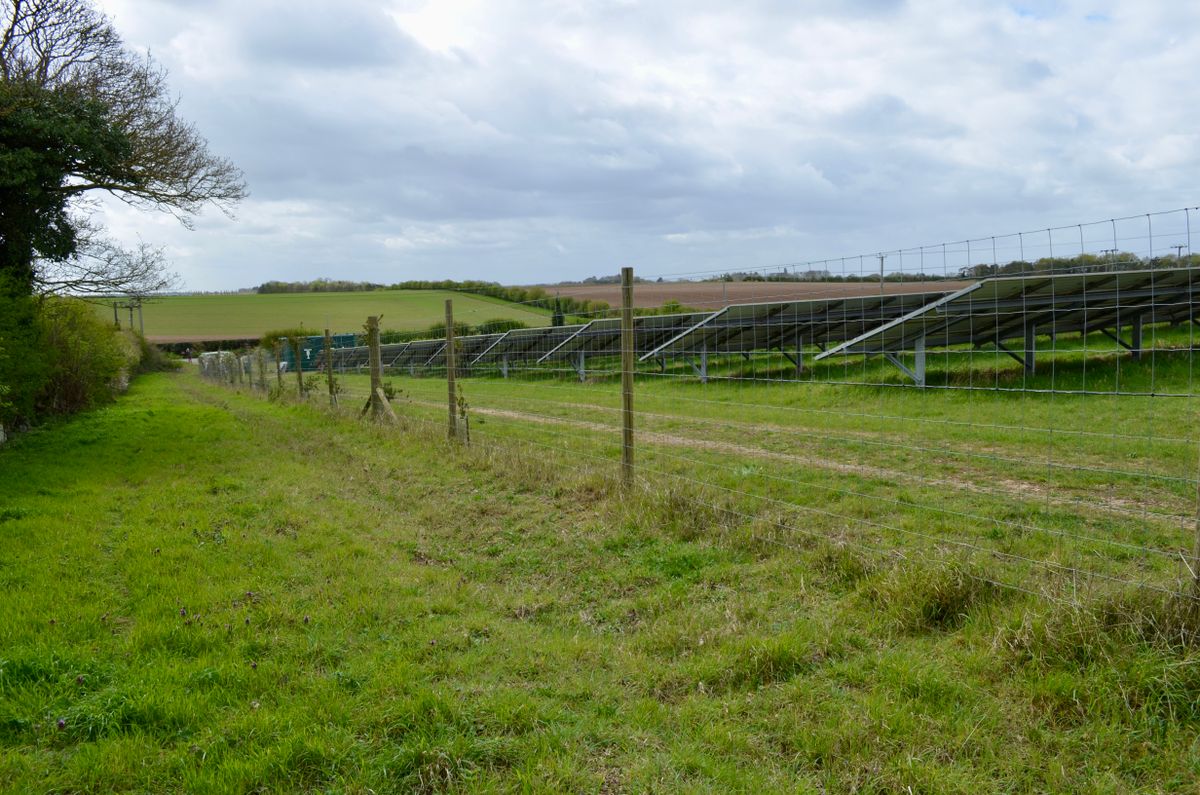
Commercial & farm solar and battery storage in Scotland
We arrange no-obligation commercial solar surveys and quotes for farms, rural estates, businesses, warehouses, hospitality venues, schools and community buildings across Scotland. Installations are carried out through MCS-certified partners, with solar PV, battery storage, EV charging and heat pump options for larger buildings.
Commercial rooftops and rural buildings in Scotland are some of the best candidates for solar — large, unshaded roof areas, consistent daytime electricity use, and ground space for battery enclosures or ground-mount arrays. Whether you run a farm, manage an estate, operate a warehouse, or look after a school or community building, a well-designed commercial solar and battery system can reduce your reliance on grid electricity and give you long-term visibility on energy costs.

Who this is for
We arrange surveys and quotes for a wide range of non-domestic properties across Scotland:
- Farms and rural estates — dairy and poultry units, farm shops, holiday lets, workshops and outbuildings with large roof areas.
- Businesses — offices, retail units, hospitality venues, restaurants and pubs with consistent daytime consumption.
- Warehouses and industrial units — large flat or pitched roofs ideal for high-capacity arrays.
- Hospitality — hotels, bed and breakfasts, caravan parks and visitor attractions with seasonal demand peaks.
- Schools and community buildings — village halls, sports facilities and campuses with daytime use patterns.
- Public sector — local authority buildings, community trusts and non-profit premises.
What we install
Through our MCS-certified partners we arrange installation of the following for commercial and agricultural buildings:
- Commercial solar PV — roof-mounted or ground-mount arrays sized to your available space and usage, using commercial-grade panels and three-phase inverters where required.
- Battery storage — commercial-scale battery systems that store surplus daytime generation for use in the evening or overnight, and can charge on cheaper off-peak tariffs.
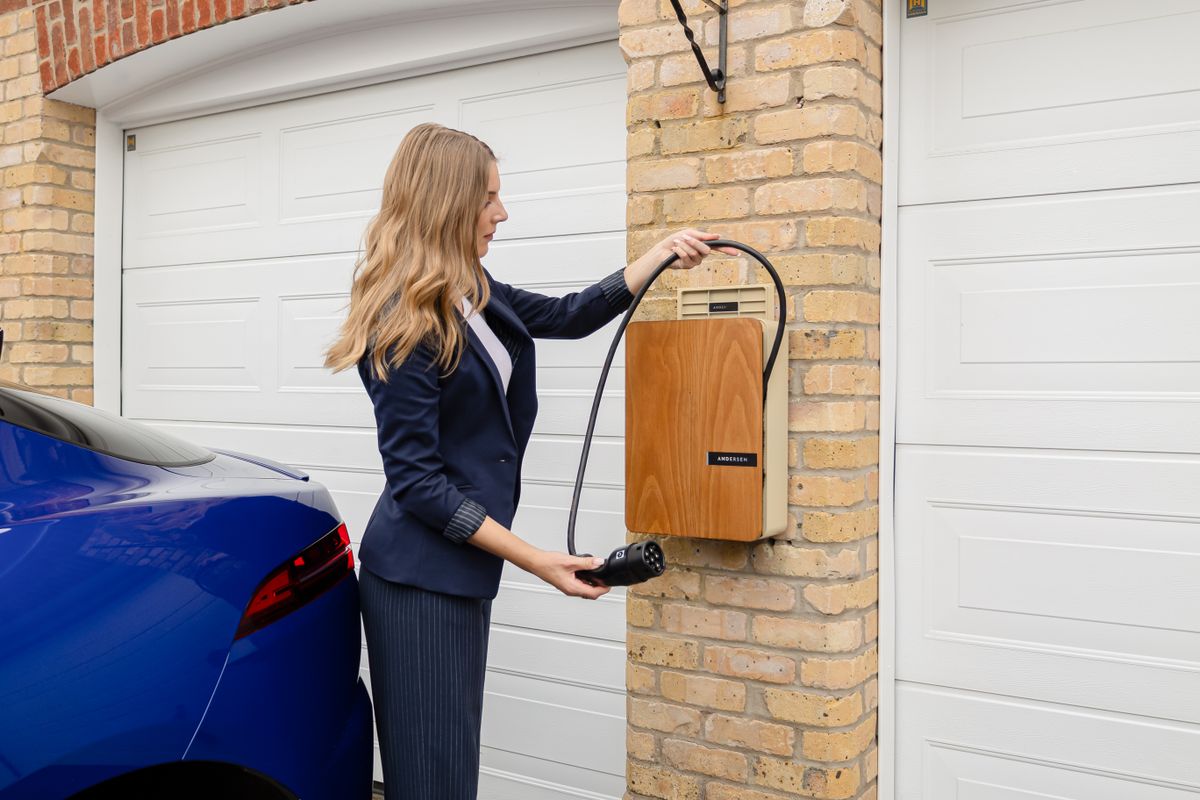
- EV charging — workplace and fleet charging points, integrated with your solar and battery system so vehicles charge from your own generation where possible.
- Heat pumps for larger buildings — air-source or ground-source heat pump systems for commercial premises looking to decarbonise heating alongside solar.
How savings work for a business
The financial case for commercial solar depends on several factors that a surveyor will assess on site. We do not quote savings figures or payback periods here because every property is different, but the key factors are:
- Daytime usage — the more of your electricity you use during generating hours, the more value you get from the array. A warehouse with refrigeration or a dairy with milking equipment running through the day is an excellent match.
- Your tariff — your unit rate and standing charge determine how much each self-generated kilowatt-hour is worth. Businesses on higher rates see more benefit per unit offset.
- Roof or ground space — the available area sets the maximum array size. Large, unshaded roofs or open ground allow a bigger system, generating more of your annual consumption on site.
- Export — surplus generation exported to the grid can earn income through an export tariff or power purchase agreement, though the best value comes from using your own generation directly.
A proper survey gives you the system specification, expected generation and a written quote so you can make an informed decision for your business.

How it works
- No-obligation site survey — we arrange a surveyor to visit your premises, assess the roof or ground area, check shading, review your electricity usage and discuss your goals.
- System design — you receive a proposed system design with panel layout, inverter specification, battery sizing (if applicable) and expected generation figures.
- Installation through MCS-certified partners — the installation is carried out by our MCS-certified partner, including all electrical work, DNO notification and commissioning.
- Aftercare — after handover you receive documentation, warranty information and guidance on monitoring your system. Ongoing support is available if you need it.
Finance
Interest-free credit up to £30,000, subject to status. A surveyor can talk you through the options as part of your quote.
Arrange a commercial survey
Fill in the business enquiry form below with your premises details and we will arrange a no-obligation survey through our MCS-certified partner. No pressure to proceed — you will receive a written quote with a full specification to consider.
Request a commercial survey
Tell us about your premises and we'll arrange a no-obligation survey through our MCS-certified partner.
Related guides
Frequently asked questions
Can solar panels power a farm or agricultural business in Scotland?
What size commercial solar system do I need?
Can I add EV charging to a commercial solar system?
Do I need planning permission for commercial solar panels?
How long does a commercial solar installation take?
Last updated: 28 October 2026
Reviewed by the Scottish Energy Efficiency team.